Laboratory Workflow: Bottlenecks and Optimization Strategies
A laboratory’s diagnostic value depends not just on the tests it performs, but on how quickly and consistently it delivers results. Slow turnaround times and inefficient laboratory workflow affect more than operational metrics. Physicians wait longer to make decisions, patients wait longer for treatment, and accreditation audits become harder to pass.
Many laboratory managers blame workflow delays on equipment limitations or insufficient testing capacity. In practice, bottlenecks often occur long before samples reach an analyzer, creating a backlog at the preparation, coordination, documentation, and result reporting stages. The first step to meaningful, lasting improvement is to identify where the delays actually come from.
Causes of Slow Turnaround Time in the Laboratory
Turnaround time delays in a diagnostic laboratory rarely trace back to a single cause. They tend to develop across multiple workflow stages, each contributing its own layer of friction.
Sample Preparation Delays
Sample preparation is an often-overlooked bottleneck in a laboratory. Centrifugation, mixing, and other pre-analytical steps need consistent execution. Mislabeling, poor preparation, or weak sample tracking at this stage affects every step that follows.
Analyzers often sit idle while they wait for samples that haven’t been prepared or transferred on schedule. In high-volume labs, preparation usually sets the pace of testing.
Workflow Handoffs and Coordination Gaps
Many delays happen between workflow stages. Samples move from collection to preparation, analyzers, and reporting, and manual approvals or informal scheduling slow each handoff. Waiting for an available analyst, incomplete transfer documentation, and shifting department priorities may each cost only minutes, but they add up over a busy day.
Equipment Utilization and Scheduling Inefficiency
Having an analyzer on the bench doesn’t mean it’s ready to run samples. Calibration, cleaning, changeovers, and preventive maintenance all take time. When schedules aren’t coordinated, some instruments get overloaded while others sit unused.
Before buying more equipment, look at how your current instruments are scheduled. Often, the simplest way to optimize laboratory workflow is to make better use of what you already have.
Consumable and Supply Gaps
Testing stops when a reagent or consumable runs out mid-process. Overstocking causes its own problems, including limited storage, expired items, and misplaced supplies. Facilities with high daily volumes across multiple departments feel these gaps most.
Staffing and Training Gaps
When only certain staff can perform critical steps, the workflow depends on their schedules. Uneven onboarding, frequent interruptions, and inconsistent use of standard operating procedures (SOPs) also reduce throughput.
How to Improve Laboratory Turnaround Time

Improving laboratory turnaround time requires addressing the full workflow ecosystem, not just individual components. Here are things laboratories can do to optimize workflows:
Standardize Pre-Analytical Procedures
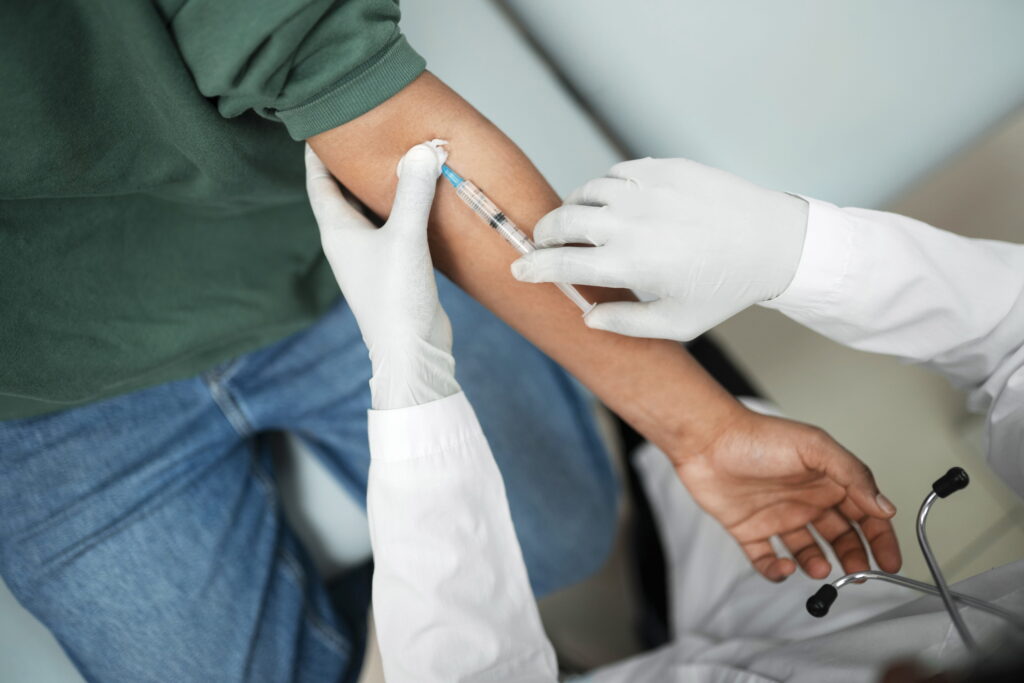
Clear protocols for collection, labeling, and transport reduce rejected samples. Barcode labeling links each tube to the right patient from the start. Regular training on proper collection technique also lowers hemolysis and recollection rates.
Connect Analyzers to a Laboratory Information System
A laboratory information system (LIS) linked to your analyzers removes much of the manual encoding. Results move directly from the instrument to the patient record. Pathologists can review and release reports faster, and the system keeps an audit trail that supports accreditation.
Automate the Slowest Steps First
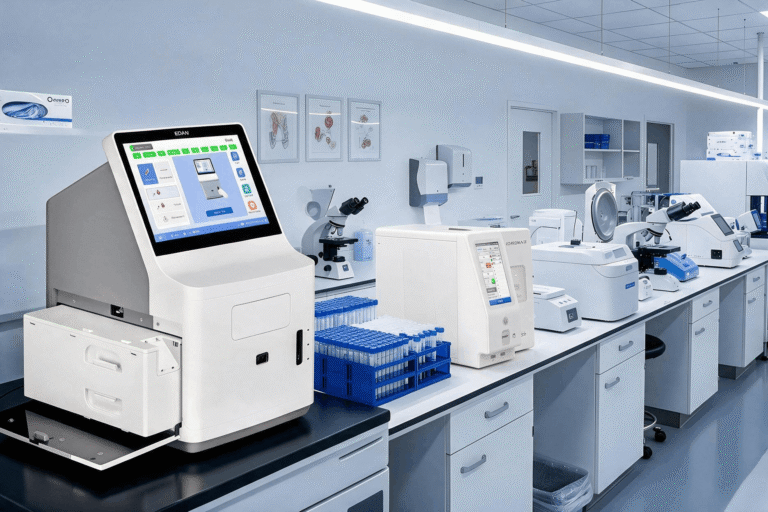
Automation does not have to be a full-scale project. Start with the steps that cause the longest delays. Automated chemistry and hematology analyzers, centrifuges, and sample handlers can raise throughput without adding staff.
When choosing medical laboratory equipment, compare rated throughput against your daily test volume. Check that the equipment fits your bench space and connects to your LIS.
Plan Maintenance and Track Performance
Schedule laboratory equipment care and maintenance during low-volume hours. This keeps analyzers available when sample volume peaks and reduces the risk of unexpected breakdowns during busy shifts.
Next, track key indicators, such as turnaround time per test, sample rejection rate, and analyzer downtime, to understand delay hotspots. This also tells you whether your maintenance schedule is working and makes adjustments before small problems turn into backlogs.
Strengthen Inventory and Staff Planning
Set reorder points for reagents and consumables, and review stock levels weekly. A supplier with local stock and responsive technical support shortens lead times. Cross-train staff so more than one person can run each critical test. Consistent SOPs keep quality steady across every shift.
Building a Faster, More Reliable Laboratory
Workflow delays rarely come from a single source. They build up across collection, preparation, testing, and reporting. Improving turnaround time in a diagnostic laboratory starts with a full view of the process, not just faster machines.
Look into the common bottlenecks in a laboratory’s process, and implement changes to make every step flow seamlessly into the next. Faster processes reduce errors, simplify accreditation, and support faster clinical decisions.
Murex Diagnostics supplies diagnostic equipment, reagents, and laboratory solutions for clinical laboratories across the Philippines. Contact our team to discuss options suited to your test volume, workflow, and laboratory needs.