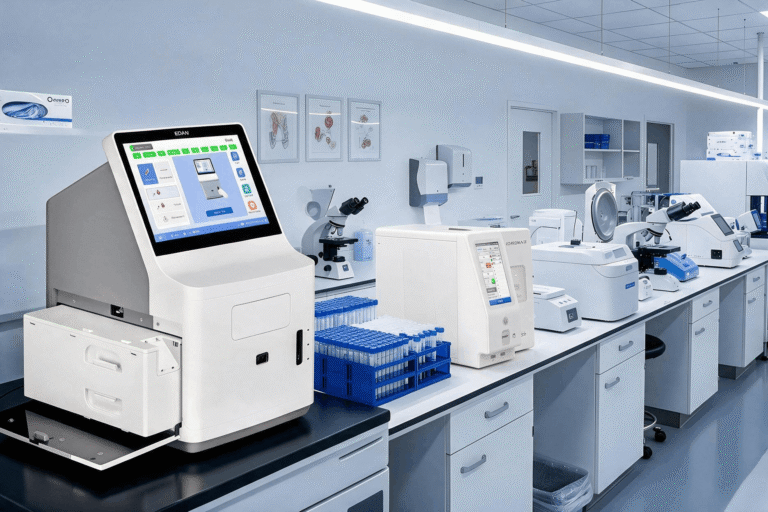
Common Mistakes When Buying Lab Equipment: What Philippine Facilities Need to Avoid
Laboratory equipment procurement is one of the most consequential decisions a healthcare facility makes. The right equipment keeps workflows running smoothly, supports accurate diagnostic results, and helps facilities meet accreditation requirements. The wrong choice, however, can trigger costly disruptions that are difficult—and sometimes impossible—to undo.
Most procurement errors are not the result of negligence. They happen because facilities move forward without complete information, or without a framework for evaluating what complete information even looks like. Understanding the most common mistakes when buying lab equipment gives procurement teams and lab managers a clearer starting point, and a better chance of getting the decision right the first time.
Common Lab Equipment Buying Mistakes
Procurement decisions that look straightforward on paper often reveal hidden complexities once the equipment is installed and in daily use. These are the mistakes that tend to surface too late and lab equipment purchasing tips to help you avoid them.
1. Focusing Only on the Purchase Price
Price is always part of the conversation, but purchase price and total cost of ownership are two very different numbers.
Equipment that appears affordable upfront may carry higher operational costs over time, including calibration, consumables, software licensing, service contracts, and downtime impact. Procurement teams that overlook these ongoing expenses often find themselves facing budget pressures that were entirely avoidable.
Before committing to any purchase, especially when choosing between new vs. used lab equipment, calculate the total cost of ownership across the machine’s expected operational life. That number gives a far more accurate picture of what the investment will actually require.
2. Choosing Equipment That Exceeds Your Actual Needs
More advanced does not always mean more appropriate. Highly sophisticated systems are attractive, but if they don’t align with your laboratory’s actual needs, features may go unused. Instead, they’ll bring increased training complexity and higher maintenance demands.
Equipment should match your current operational needs and realistic growth projections, not the upper limit of what a manufacturer offers.
Aligning with your current operational needs and realistic growth projections should be a key consideration when choosing medical laboratory equipment.
3. Skipping Workflow Planning and Expansion Considerations
Consider how each machine fits within your clinic’s current workflow and projected expansion. Underestimating sample volume, overlooking turnaround time requirements, or failing to plan for future test menu expansion can result in equipment that bottlenecks your workflows rather than supporting them.
Purchasing equipment without analyzing actual laboratory demand creates problems that compound over time. Before committing to a purchase, map out your current workflows and your projected needs for the next three to five years.
4. Not Evaluating Laboratory Space and Infrastructure
It is easy to focus on what a piece of equipment does and overlook where it needs to go. Power requirements, ventilation needs, temperature stability, water supply access, and available storage all shape whether a system can be installed and operated effectively in your facility.
Skipping proper site assessment is a common mistake teams make when buying lab equipment, and it creates deployment delays and installation complications that could have been identified well before delivery day.
Before finalizing any purchase, walk through your physical space with the same care you would apply to the product evaluation itself.
5. Ignoring Consumable Availability
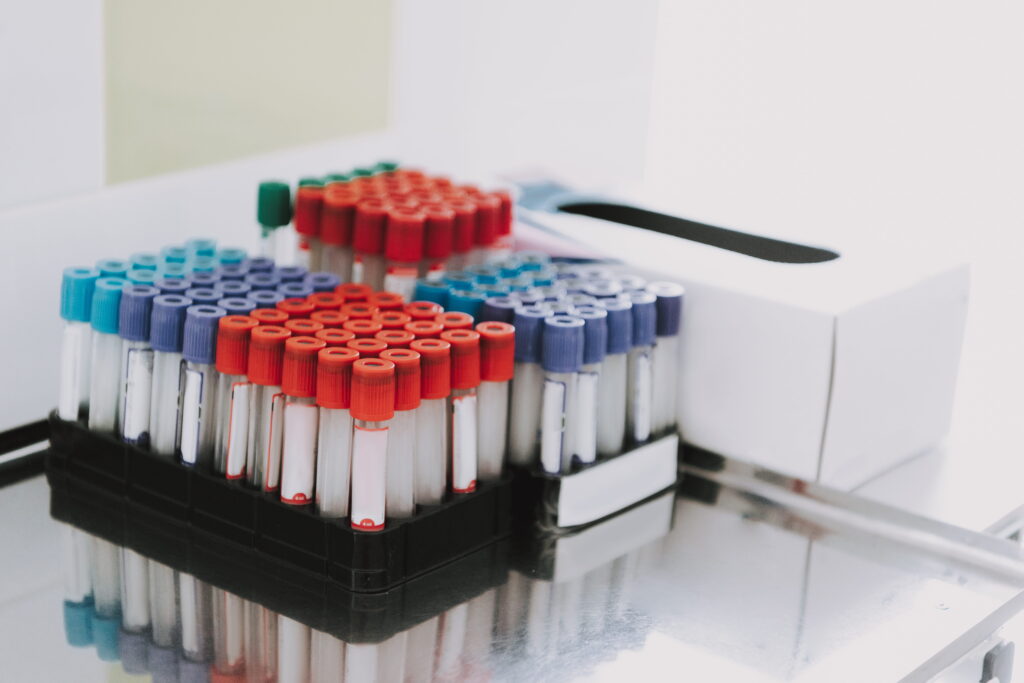
A diagnostic system is only as reliable as the consumables that keep it running. Don’t forget to ask and research the availability of consumables each machine requires through your supplier. You don’t want your clinic interrupted regularly because of inconsistent supplies.
Double-check that your supplier can give you confidence in long-term supply continuity.
6. Not Evaluating After-Sales Support
How a supplier supports your facility after the sale matters as much as the equipment they deliver. Weak service networks, slow response times, and the absence of a preventive maintenance program all create operational risk that grows over time.
Installation, application training, calibration support, and responsive technical assistance should all be part of what your supplier brings to the table, not optional extras you negotiate after the fact.
7. Neglecting Staff Training
Even well-chosen equipment underperforms when the team operating it is not adequately prepared. Insufficient onboarding, gaps in workflow training, and poor troubleshooting preparation translate into operator errors, inconsistent results, and unnecessary wear on the system.
Training should be built into every equipment agreement from the start, with provisions for ongoing support as your team grows or your procedures evolve. Include onboarding and training in your conversations with your laboratory equipment supplier in the Philippines to avoid this issue.
8. Overlooking Digital Integration and Cybersecurity
Diagnostic equipment doesn’t work in isolation. If your new system can’t talk to your Laboratory Information System, share data both ways, or plug into your existing digital setup, you’ll end up with slow reporting and manual workarounds that become part of your daily routine. Checking compatibility before you buy keeps these inefficiencies from becoming permanent.
Cybersecurity needs the same level of attention. The more connected your lab systems are, the more exposed they become to security risks. Equipment without regular software updates, clear access controls, or solid data backup options puts your facility at risk in ways that go far beyond performance issues. Today, reviewing a system’s digital security is simply part of responsible procurement.
Equip Your Facility With the Right Information

Smarter procurement decisions start with knowing where the common gaps are. Applying these laboratory equipment purchasing tips gives your team a practical framework for evaluating options more carefully and avoiding the pitfalls that most procurement teams only recognize in hindsight.
Murex Diagnostics supports healthcare facilities across the Philippines with a comprehensive range of new diagnostic equipment, installation services, application training, and responsive after-sales support. If your facility is planning an equipment purchase, our team is ready to help you navigate these considerations and make a decision your laboratory can depend on.