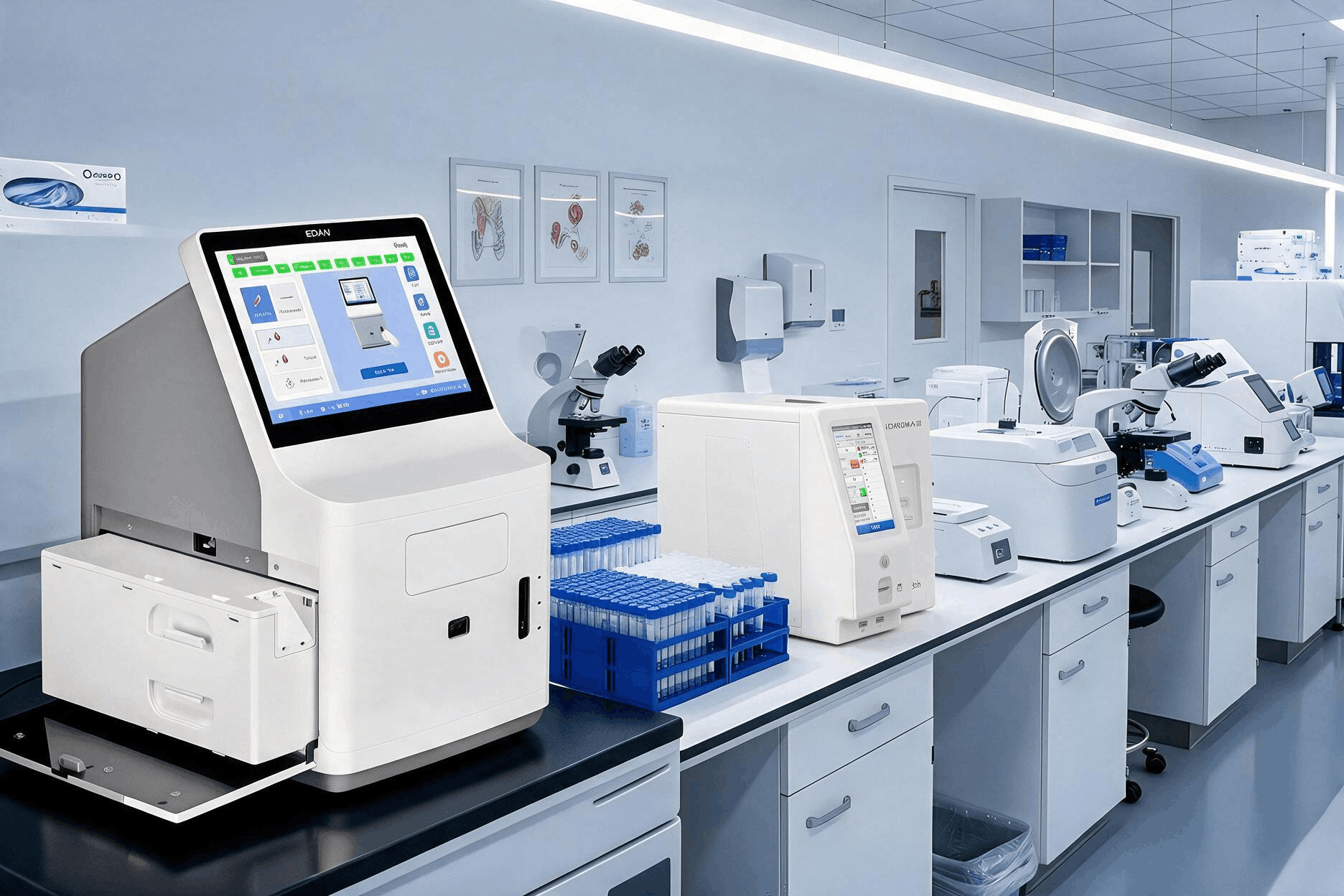
Essential Diagnostic Equipment for Medical Laboratories
A diagnostic laboratory is only as capable as the tests it can run. Skilled staff and sound procedures matter, but they depend on the right equipment to deliver results that clinicians and patients can act on.
Considering limited budget cycles, floor space, and phased rollout timelines, which laboratory equipment should laboratories and clinics prioritize? This diagnostic equipment list guides you through the essential machines a lab needs most to support accurate, efficient results.
List of Core Diagnostic Equipment for Medical Facilities

What equipment is used in medical laboratory settings? We have created a list of the most essential and in-demand pieces of equipment that laboratories and clinics should prioritize acquiring for their facility to secure smooth and comprehensive services.
Clinical Chemistry Analyzers
Clinical chemistry analyzers measure chemical substances in blood, serum, or urine, including glucose, cholesterol, liver enzymes, creatinine, and more. Most units run multiple parameters simultaneously, which supports faster turnaround without adding pressure to staffing.
The tests these analyzers run span the widest range of conditions and patient types, which means that it’s useful for a large number of diagnostic workups.
Hematology Analyzers
Hematology analyzers quantify and classify red blood cells, white blood cells, and platelets—the core components of the complete blood count (CBC). The CBC is one of the most frequently ordered tests in clinical medicine, making this analyzer non-negotiable testing and diagnostic facilities.
As a facility grows, automated hematology analysis allows them to process large volumes of CBC requests accurately and consistently while cutting down on manual work and speeding up results. The data from these machines support clinical decisions across nearly every specialty, from detecting anemia and signs of infection to guiding care in oncology and chronic disease management.
Immunology Analyzers
Immunoassay analyzers detect and measure hormone levels, infection antibodies, and cardiac proteins that are vital for diagnosing and monitoring conditions, such as thyroid disorders, infectious diseases, cardiac events, fertility-related concerns, and cancer.
By investing in an immunology machine that measures a wide range of biomarkers, laboratories can expand their test menus. These machines offer precision, providing the data clinicians need to confirm diagnoses, guide treatments, and track patient responses.
Blood Gas Analyzers
Blood gas analyzers measure oxygen, carbon dioxide, and pH levels in whole blood, providing critical data for assessing respiratory function and acid-base balance.
Blood gas is one of the routine, time-critical tests needed in emergency and critical care, so hospitals with intensive care units (ICUs) and point-of-care environments can benefit the most from having them on site. Blood gas analyzers deliver results in minutes, shorten turnaround time, and reduce reliance on send-out labs when rapid decisions matter.
Fast, accurate results let clinicians adjust ventilation, oxygen therapy, and metabolic management immediately for critically ill patients.
HbA1c Analyzers
HbA1c analyzers measure glycated hemoglobin in blood, reflecting a patient’s average blood glucose levels over the preceding two to three months. This test is essential for diagnosing and managing diabetes.
HbA1c results provide clinicians with a clear picture of long-term glycemic control, informing medication adjustments and treatment plans for patients with diabetes. Having this medical laboratory equipment in-house allows laboratories to handle one of the most consistently requested tests in outpatient settings without referring samples out.
Electrolyte Analyzers
Electrolyte analyzers measure sodium, potassium, chloride, and bicarbonate concentrations in blood or urine, identifying imbalances linked to kidney disease, cardiac conditions, and metabolic disorders.
Electrolyte testing is a routine, high-volume need in internal medicine, nephrology, and emergency care, so having this analyzer on-site is only sensible for laboratories, clinics, and hospitals.
Urinalysis Analyzers
Urinalysis analyzers screen urine samples for markers associated with infection, kidney disease, diabetes, and liver conditions, making them applicable to a wide range of routine and specialized diagnostic workups.
Urinalysis is a high-volume, first-line test, making urinalysis analyzers one of the core pieces of equipment for laboratories, regardless of their size. Automation removes the variability of manual strip reading and lets facilities process more samples quickly without losing accuracy.
Fecalysis Analyzers
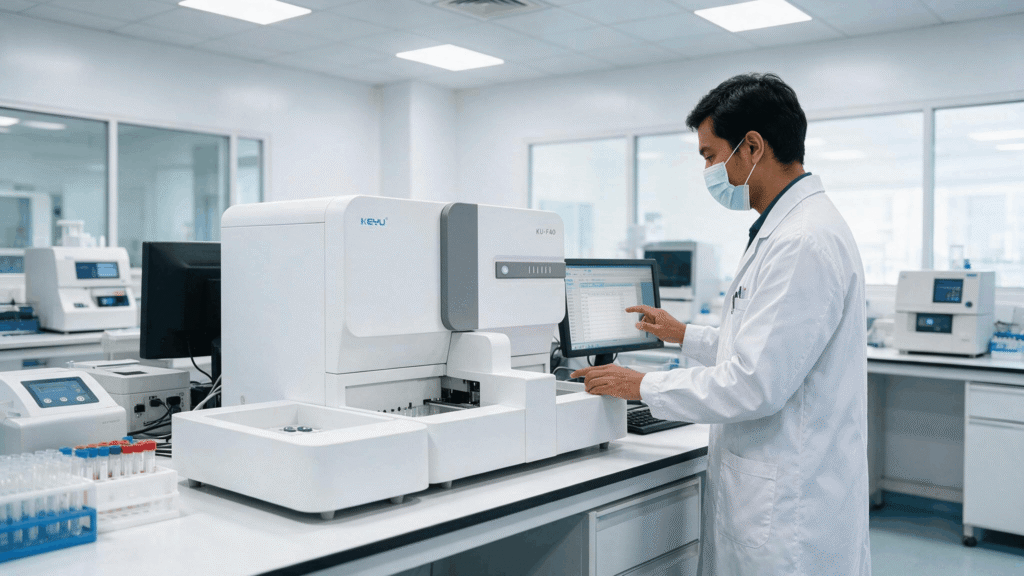
Fecalysis analyzers examine stool samples for parasites, bacteria, occult blood, and digestive abnormalities, supporting the diagnosis of gastrointestinal infections, inflammatory conditions, and parasitic diseases.
Automated analysis reduces direct sample handling and produces consistent results across high volumes, an important advantage in settings where fecalysis orders are frequent.
Accurate fecalysis results are indispensable for most medical facilities, but especially in pediatric and community health populations.
Blood Glucose Monitoring Systems (BGMS)
Blood glucose monitoring systems measure glucose from a small fingerstick sample within seconds, supporting the diagnosis and day-to-day management of diabetes and hypoglycemia.
Glucose checks are frequent and time-sensitive, making on-site meters a practical necessity for clinics, hospitals, and community health centers. Immediate readings give clinical staff the data to adjust insulin doses, manage hypoglycemic episodes, and monitor at-risk patients without delay.
Build Your Medical Laboratory with the Right Equipment
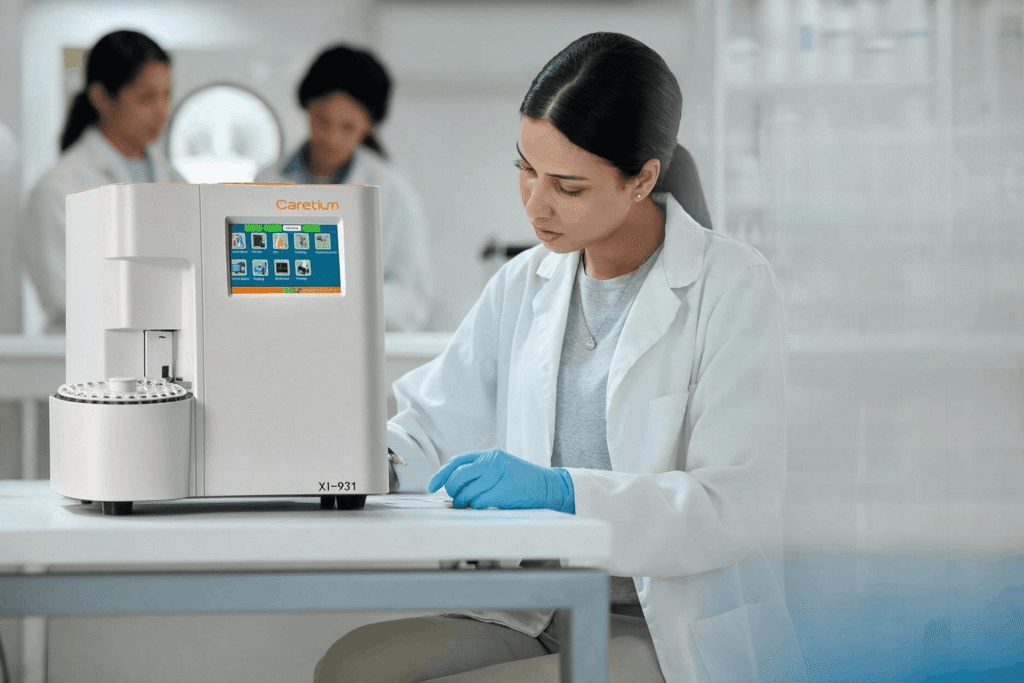
Clinics do not need to have every piece of equipment on the market to function, but they do need to be selective of the machines they invest in to maximize their budget and space, and serve their patients well. This list of medical laboratory equipment highlights the essentials that will help put a facility in a strong position to meet both clinical and operational demands.
Each item on this list serves a distinct function in the testing workflow. The key to a cost-effective laboratory or clinic is selecting the right equipment against the test menu the facility intends to run and the patient volume it expects to handle.
Murex Diagnostics provides a comprehensive range of medical diagnostic equipment for Philippine laboratories of all sizes. Reach out to us to identify the right configuration for your facility.