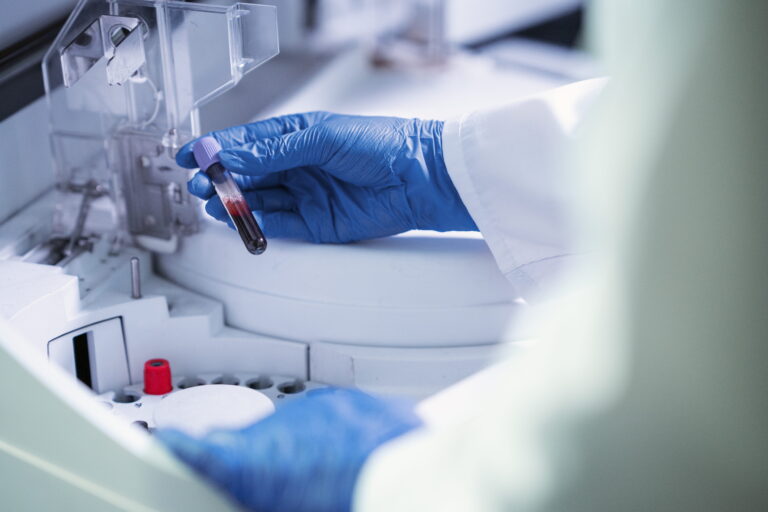
Medical Equipment Lifecycle Management Tips for Philippine Labs
A new analyzer can run smoothly for years. Then the error messages start, spare parts take weeks to arrive, and repair bills climb. Many clinics only think about an instrument’s lifespan at that point, when options are limited and budgets are already tight.
Situations like that are easier to avoid with medical equipment lifecycle management. It means planning for each stage of an instrument’s life, from purchase to retirement, so you’re not scrambling when a machine starts failing. For diagnostic labs in the Philippines, a lifecycle plan makes equipment costs easier to forecast and helps you meet licensing requirements.
What Is a Medical Equipment Lifecycle?
The lifecycle of medical equipment is the full path an instrument follows inside your facility. Each stage comes with different costs and decisions, so knowing them helps you budget ahead.
Planning and Acquisition
The lifecycle starts before you buy anything. When selecting medical lab equipment, labs assess test volume, workflow needs, bench space, and budget, then compare models and suppliers.
The total cost of ownership matters more than the sticker price. Reagents, service contracts, training and repair or replacement costs all add to long-term spending.
Installation and Commissioning
Once delivered, the equipment is installed, calibrated, and validated. Staff receive hands-on training, and the lab verifies performance before the instrument runs patient samples.
Operation and Maintenance
An instrument spends most of its life in this stage. Daily use, quality control, calibration, and preventive maintenance keep laboratory equipment accurate and reliable. Repairs and software updates also happen here.
Decline and Retirement
Over time, performance drops and manufacturer support may end. Breakdowns become more frequent, and spare parts get harder to source. At that point, the lab decides whether to refurbish, upgrade, or replace the unit, then disposes of it safely and in line with regulations.
Labs on a tight budget often weigh new vs used lab equipment at this stage, comparing upfront savings against warranty coverage, remaining service life, and parts support.
6 Laboratory Equipment Lifecycle Management Tips
These practical lifecycle management steps help your team stretch each instrument’s useful life and make budget planning simpler.
Keep a Complete Equipment Inventory
Start with a central record of every instrument. List the model, serial number, purchase date, warranty period, location, and responsible staff.
Update the record whenever equipment moves, breaks down, or receives service. A clear inventory makes audits and budget planning far simpler.
Track Equipment Age and Performance
The equipment’s age is a major factor in managing its lifecycle. Keeping track of age and performance differs when dealing with new vs. used laboratory equipment. A used analyzer may already carry years of wear, a shorter warranty, and an earlier end of manufacturer support, all of which affect how long it will serve your lab.
Age is only one indicator. Log performance metrics to track how your instruments are doing:
- Downtime
- Repair frequency
- Repair costs
- Quality control failures
A rising trend in these aspects signals that an instrument is nearing the end of its useful life.
Schedule Preventive Maintenance
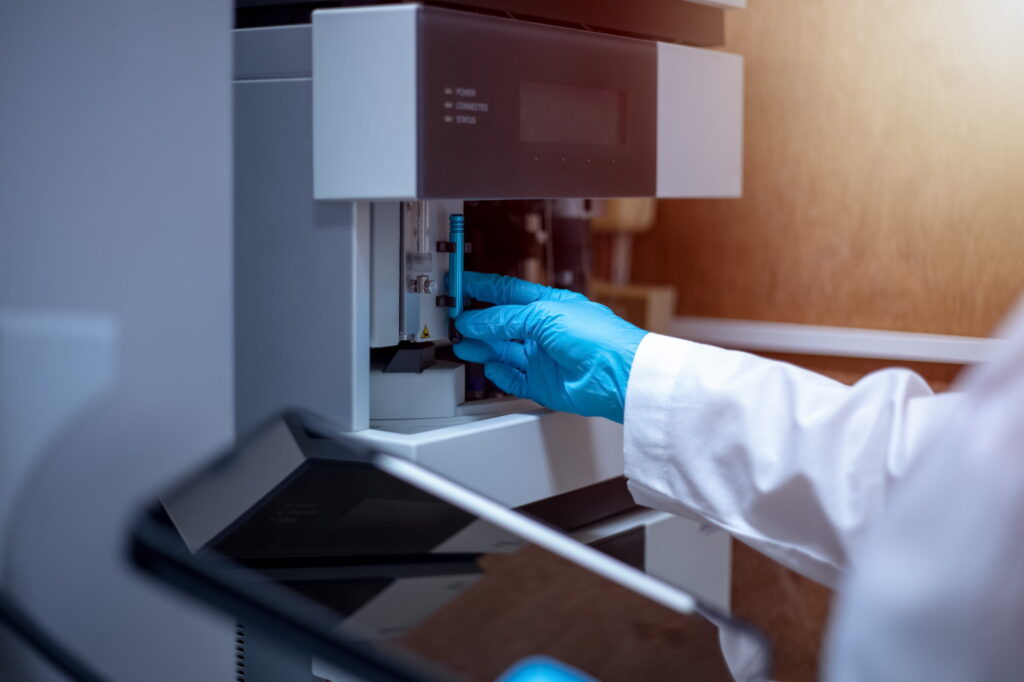
Follow the manufacturer’s maintenance schedule and set reminders for each task. Skipping scheduled maintenance often leads to emergency repairs that cost more and take your equipment offline longer.
Book service during low-volume hours to protect your clinic’s turnaround time.
Document Everything
Keep records of calibration, maintenance, repairs, and staff training. These records support Department of Health (DOH) compliance, which requires regular equipment calibration and preventive maintenance, and help service engineers identify issues faster.
Plan Replacements Early
A core lab equipment lifecycle management best practice is to plan replacements before breakdowns force your hand.
Build a three- to five-year replacement plan based on age, performance data, and the expected end of manufacturer support. Spreading purchases across budget cycles avoids sudden large expenses and gives you time to evaluate newer technology.
Work With a Reliable Supplier
Lifecycle management is a collaborative process with your equipment supplier. Strong after-sales support covers the whole lifecycle, from installation and staff training to laboratory equipment care and maintenance, and calibration.
A supplier with local stock, trained engineers, and quick response times keeps downtime short. Before you buy, ask about service agreements, spare-parts availability, breakdown response times, and refresher training for new staff.
Getting the Most From Every Equipment Investment

Every instrument in your lab has a limited lifespan, but the way you manage it shapes the value it delivers.
With a medical equipment lifecycle management plan, repairs and replacements become scheduled decisions instead of emergencies. Tracking performance, maintaining equipment on schedule, and planning replacements early help you control costs and keep results reliable from purchase to retirement.
Murex Diagnostics supplies diagnostic equipment and offers strong after-sales support for laboratories across the Philippines. Contact our team to plan your next equipment upgrade or maintenance program.