How Modern Analytical Equipment Improves Laboratory Efficiency
Every laboratory result depends on the tools behind it. When systems are slow, outdated, or error-prone, the whole team feels the strain. Turnaround times stretch, repeat tests pile up, and staff spend hours on tasks a machine could handle.
Modern analytical equipment changes that picture. Current-generation analyzers and diagnostic tools automate manual steps, process more samples per hour, and deliver more consistent results. For mid-sized laboratories in the Philippines, the right upgrade can mean the difference between keeping up with demand and falling behind.
Here is how modern equipment translates into measurable gains for your lab.
How Modern Analytical Equipment Boosts Laboratory Efficiency
Upgrading your laboratory with modern systems impacts your team’s daily workload and your laboratory’s workflow and performance. Here are the potential benefits of investing in a modern analytical equipment:
Faster Processing and Higher Throughput
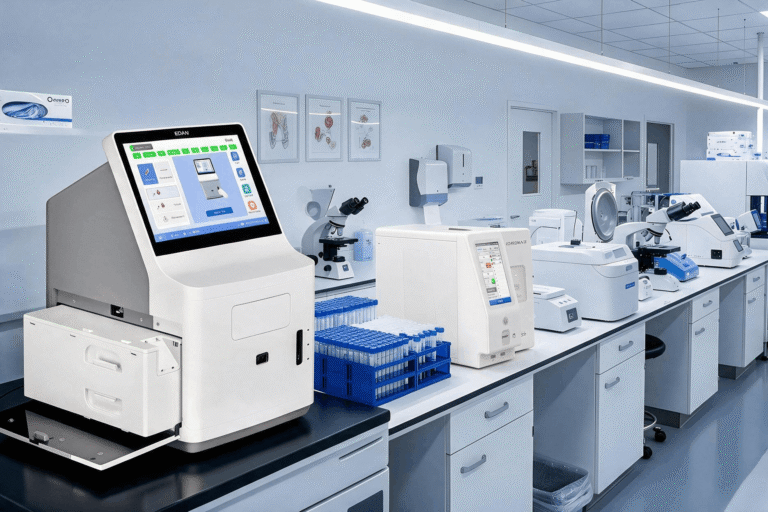
Speed is often the first improvement labs notice after an upgrade. Modern chemistry, hematology, and immunoassay analyzers run multiple tests on a single sample and handle dozens of samples in one run. Continuous loading lets staff add new specimens without stopping the instrument. STAT functions move urgent samples to the front of the queue.
Together, these features optimize laboratory workflow and raise daily throughput with the same team. Labs can accept more test requests from physicians and partner clinics without extending shifts.
Fewer Manual Steps
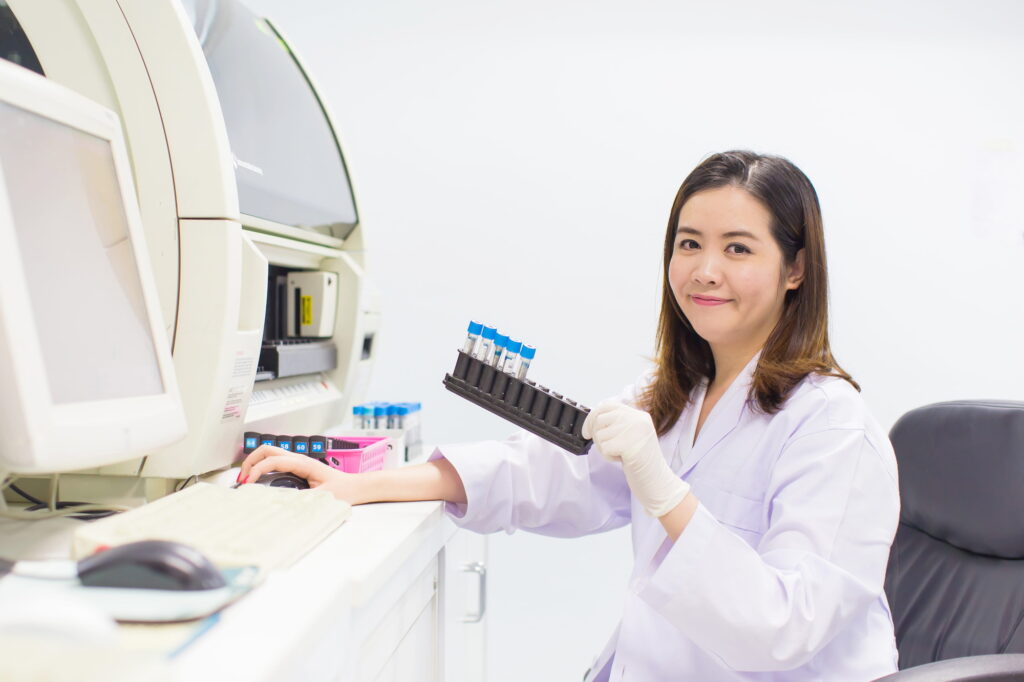
Older workflows rely on hands-on work at almost every stage. Staff pipette, dilute, mix, and record results by hand. Each step takes time and leaves room for error.
Current-generation systems automate much of that work. Automatic dilution, reagent dispensing, and onboard mixing cut down hands-on tasks. Barcode readers identify each tube and pull the correct test orders. Medical technologists can then focus on reviewing results, running quality control, and handling complex cases.
Higher Accuracy
Even skilled staff make mistakes when they are tired or rushed. A mislabeled tube or a typo in a result can lead to a wrong diagnosis or a repeat test.
Modern analyzers lower these risks in several ways. Barcode tracking links each sample to the right patient. Built-in sensors detect clots, bubbles, and short samples before testing begins. Automatic flags alert staff to results outside expected ranges.
Fewer errors mean fewer recalls, fewer corrected reports, and greater confidence from referring physicians.
Consistent and Reliable Results
Accreditation bodies expect labs to produce results that are accurate and repeatable. Manual methods vary from one operator to the next, while automated analyzers follow the same procedure for every test.
Newer systems also include onboard quality control programs and automatic calibration. Staff can track performance trends over time and catch drift early. Consistent results support compliance with ISO 15189:2022 and Department of Health (DOH) licensing requirements for clinical laboratories.
Seamless Data Management
Many new analyzers connect directly to a laboratory information system (LIS). Results transfer from the instrument to the patient record without manual encoding. The LIS also speeds up result processing by applying reference ranges, running calculations, and flagging abnormal values automatically. Reports are ready for review sooner, and every action is logged.
One of the many advantages of modern analytical equipment is the data they provide, which help managers identify bottlenecks in their workflows and prepare for audits.
Lower Long-Term Costs
New equipment requires an upfront investment, but the savings add up. Modern analyzers often use smaller sample and reagent volumes per test, and many models draw less power than older units. Less downtime, fewer repeat tests, and reduced overtime all lower the cost per result.
Before buying, compare the total cost of ownership, not just the sticker price. Factor in reagent pricing, service contracts, warranty coverage, and local technical support to see its full value.
Investing in the Right Tools for Your Lab

Laboratory efficiency depends on more than skilled staff. The equipment they use sets the pace for every sample, report, and patient decision. The benefits of analytical equipment come down to faster processing, less manual work, and consistent results that meet accreditation standards.
The right upgrade does not have to strain the budget. Equipment matched to your test volume and workflow brings measurable returns in throughput, accuracy, and cost per test.
Murex Diagnostics is the trusted laboratory equipment supplier in the Philippines. We offer diagnostic equipment, reagents, and laboratory solutions for clinics of all sizes. Talk to our team to find the analyzers that fit your lab’s needs and growth plans.