New Versus Used Laboratory Equipment: What Philippine Laboratories Need to Know Before Buying
Laboratory equipment procurement decisions carry more weight than most line items in a facility’s budget. The choice between new versus used lab equipment affects diagnostic accuracy, system reliability, and long-term operational costs in ways that a purchase price alone cannot capture.
Evaluating this decision across four areas, cost, performance, lifespan, and compliance, gives procurement teams the complete picture they need to invest in new diagnostic equipment with confidence.
New vs. Used Lab Equipment: Which Should You Invest In?
The new-versus-used debate is not simply about price; accuracy and reliability play equally important roles in the decision-making process. Here is a closer look at how each option measures up across the criteria that matter most.
Cost: Upfront Price vs. Total Cost of Ownership

New laboratory equipment comes with a higher upfront price. Used equipment, by comparison, appears significantly more affordable at the point of purchase, making it an attractive option for facilities operating on tight budgets.
The point of contention is that purchase price and total cost of ownership are two different things. Used equipment carries a higher risk of component failure, calibration drift, and unexpected breakdowns. Repair costs, replacement parts, and laboratory downtime all add up quickly. A single extended equipment failure in a busy diagnostic setting can disrupt workflows, delay patient results, and generate costs that far exceed any initial savings.
New equipment, on the other hand, comes with manufacturer warranties, predictable maintenance schedules, and lower repair risk. Over the full lifespan of the equipment, the total cost of ownership is often lower for new purchases.
Performance and Accuracy
New diagnostic equipment arrives from the manufacturer calibrated, tested, and verified to perform within established accuracy specifications. Laboratory staff can begin testing with confidence, knowing the system has met quality benchmarks before it ever reached the facility.
Used diagnostic machines, unless they have been refurbished to meet manufacturer specifications, may appear to be in good working condition but could have degraded sensors, worn components, or calibration drift. These issues are often not visible during a basic inspection, but may surface gradually in the form of machine breakdowns or inconsistencies in the results.
In diagnostic laboratories, accuracy is the foundation of every clinical decision made from test results. A hematology analyzer that reads slightly off, or a chemistry system that produces inconsistent values, becomes a liability. For more reliable performance and accuracy—and better patient care—new equipment is the more defensible choice.
Lifespan and Reliability
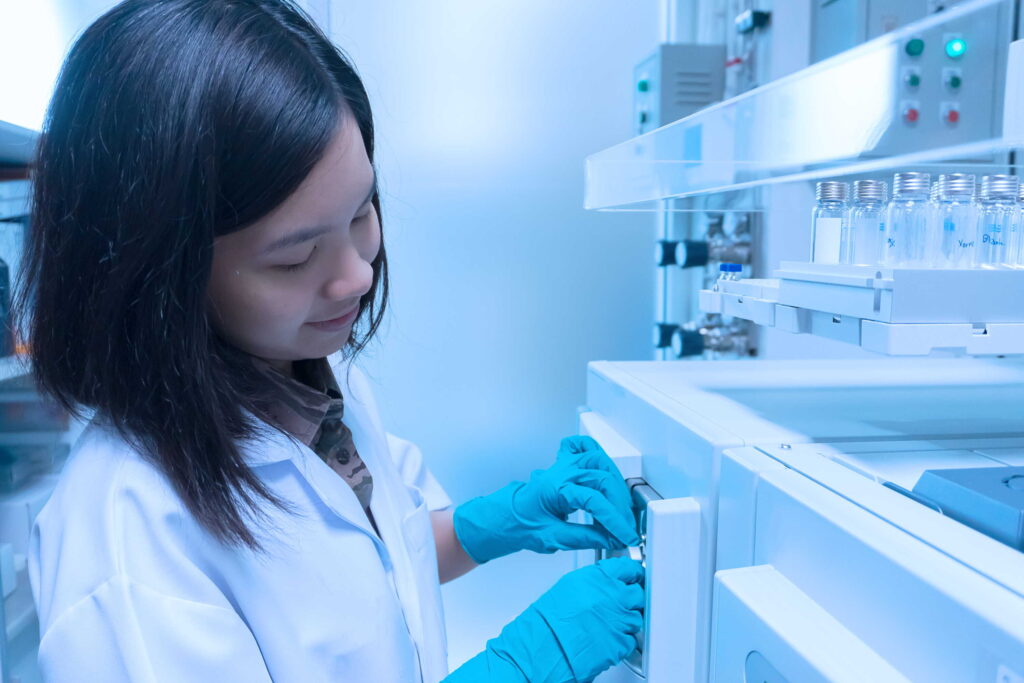
New equipment arrives with its full manufacturer lifespan ahead of it. Maintenance intervals are predictable, manufacturer support is current, and replacement parts remain readily available throughout the equipment’s operational life.
Used lab equipment brings a higher level of uncertainty. Without complete service records, it is difficult to determine how much of the equipment’s lifespan has already been consumed, what repairs have been carried out, and what issues may be developing undetected. Purchasing used equipment comes with a layer of risk that could seep into your daily workflows.
Unplanned downtime in a laboratory setting leads to delayed turnaround times, outsourced testing costs, and disrupted accreditation schedules that negatively impact your overhead costs and reputation. Unreliable performance is a major disadvantage for all types of medical facilities, which is why new equipment is the better option for most.
When Used Equipment May Make Sense
Budget constraints are a legitimate concern, and the goal here is not to dismiss them. Used equipment can have a place in laboratory procurement, particularly for non-precision items where accuracy tolerances are less critical. Furniture, storage units, basic glassware, and simple consumable tools are categories where used purchases carry lower risk.
Precision diagnostic instruments are a different story, however. Analyzers, immunoassay systems, and hematology equipment need consistent calibration and verified performance across thousands of testing cycles.
Knowing the equipment used in a medical laboratory helps clarify which items are subject to higher accuracy and compliance requirements, and which are not. Sourcing refurbished medical equipment from a reputable supplier with proper inspection records and warranty coverage is a reasonable middle ground for some facilities.
Why Laboratories Should Invest in New Lab Equipment
The core responsibility of any diagnostic laboratory is to produce accurate, reliable results that support sound clinical decisions. Every procurement choice either supports or undermines that responsibility.
New medical laboratory equipment delivers certainty. Clinics and laboratories receive calibrated performance, long-term manufacturer support, and documentation that satisfies accreditation requirements in the Philippines. Used laboratory equipment offers a lower entry cost, but introduces variables that are difficult to manage in a clinical environment where consistency is essential.
Invest in Equipment You Can Trust

When evaluating whether to purchase new or used lab equipment, laboratories should weigh not just the purchase price, but the full operational and compliance picture. For most diagnostic applications, new equipment is the investment that holds up over time.
Murex Diagnostics is a trusted laboratory equipment supplier in the Philippines, providing a comprehensive range of new laboratory diagnostic equipment to clinics, hospitals, and diagnostic centers nationwide. From clinical chemistry and hematology to immunoassay and point-of-care systems, our catalog covers the diagnostic needs of facilities at every scale, backed by installation support, application training, and responsive after-sales service.
Get in touch with us to learn more.